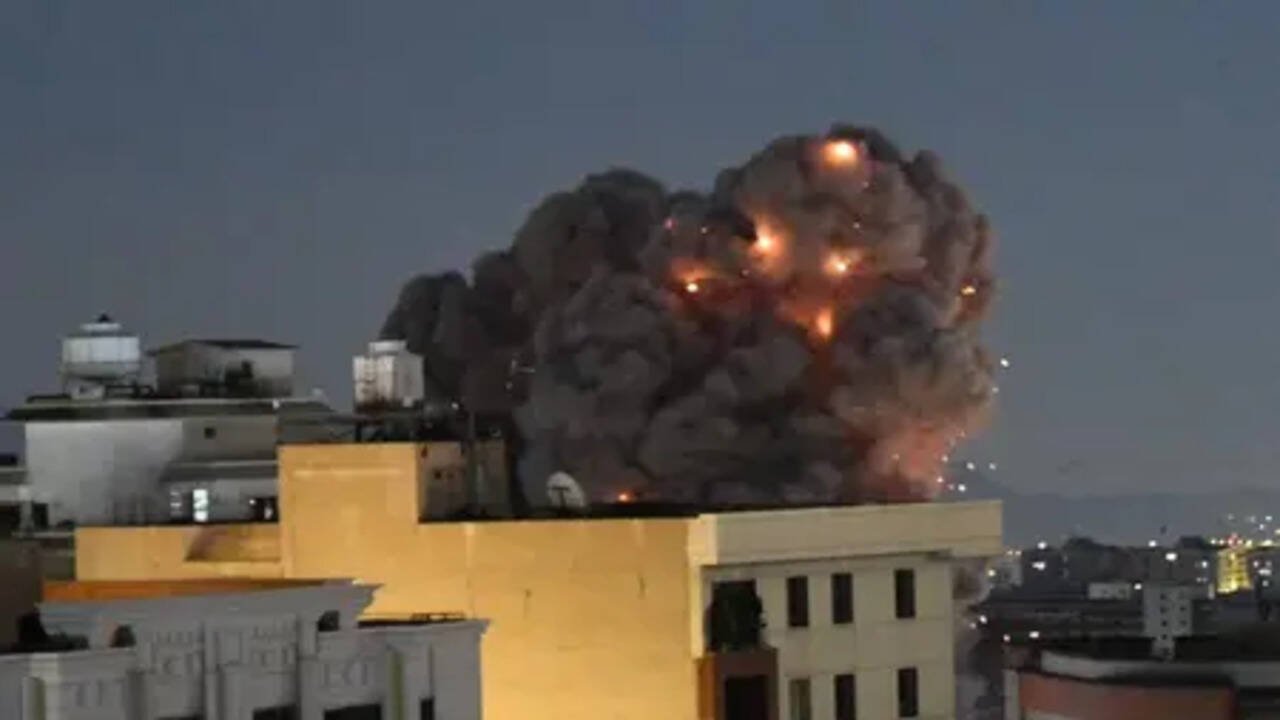
The US–Israel–Iran war has entered a critical phase, with former US President Donald Trump issuing a strong ultimatum to Iran over the reopening of the strategically vital Strait of Hormuz. The situation has intensified global tensions, as military actions, diplomatic efforts, and economic risks continue to escalate simultaneously.
Recent developments suggest that the conflict could either move toward a ceasefire—or spiral into a much larger regional war.
Trump’s Ultimatum: “Open Hormuz or Face Consequences”
One of the biggest turning points in the conflict came when Donald Trump issued a 48-hour ultimatum to Iran. He demanded that Iran either reopen the Strait of Hormuz or agree to a deal, warning that otherwise “all hell will rain down”.
The Strait of Hormuz is extremely important, as nearly 20% of the world’s oil supply passes through it, making it a global economic lifeline.
- Trump threatened major military strikes
- Targets could include critical infrastructure
- Deadline pressure increased diplomatic urgency
This ultimatum significantly escalated the already tense situation in the Middle East.

Why the Strait of Hormuz Matters so much
The Strait of Hormuz is not just a regional passage—it is one of the most critical chokepoints for global oil transportation.
- Around one-fifth of global oil trade flows through it
- Any disruption can spike global fuel prices
- It impacts economies worldwide, including India
Iran’s blockade of the strait has already disrupted shipping and raised insurance and transportation costs, making the crisis even more serious.
War Intensifies: Strikes, Threats & Retaliation
The war, which began in February 2026, has seen continuous escalation between the US, Israel, and Iran.
Recent developments include:
- US and Israeli strikes on Iranian infrastructure
- Iran’s retaliation targeting regional assets
- Threats to attack energy facilities across the Middle East
Iran has also rejected Trump’s ultimatum and warned of “devastating retaliation” if attacks continue.
Meanwhile, the search for a missing US jet crew member has added another layer of urgency to the conflict.
Ceasefire Talks: Is Peace Possible?
Despite rising tensions, diplomatic efforts are ongoing. A proposed 45-day ceasefire plan has been shared with both the US and Iran.
Proposed Plan Includes:
- Immediate ceasefire
- Reopening of the Strait of Hormuz
- Long-term peace negotiations
However, Iran has shown reluctance to accept the deal under pressure, indicating that negotiations remain uncertain.
Global Impact: Oil, Economy & Security
The ongoing conflict is not limited to the Middle East—it has global consequences:
- Oil prices may surge due to supply disruptions
- Shipping routes remain risky and expensive
- Global markets are reacting to uncertainty
Countries dependent on oil imports are closely monitoring the situation, as any prolonged disruption could affect inflation and economic stability.
What Happens Next?
The next few days are extremely crucial:
- If Iran agrees → Possible ceasefire and stability
- If not → Risk of major military escalation
Experts believe the situation is at a tipping point, where diplomacy and military action are both equally possible outcomes.

Conclusion: A Critical Moment for Global Stability
The US–Israel–Iran war has reached a निर्णायक stage, with Trump’s ultimatum and the Strait of Hormuz crisis at the center of global attention. The coming days will determine whether the world moves toward peace—or faces a deeper conflict with far-reaching consequences.
For now, all eyes are on diplomatic talks, military movements, and Iran’s next move.
Frequently Asked Questions (FAQs)
- What is the current US–Israel–Iran conflict about?
The conflict involves military strikes, geopolitical tensions, and disputes over Iran’s actions and strategic control in the region.
- What ultimatum did Donald Trump give to Iran?
Trump gave Iran 48 hours to reopen the Strait of Hormuz or face severe military consequences.
- Why is the Strait of Hormuz important?
It is a crucial global oil route through which about 20% of the world’s oil supply passes.
- Has Iran accepted the ceasefire proposal?
No, Iran has not yet accepted the proposed ceasefire and is reviewing the terms cautiously.
- How does this war affect global markets?
It can increase oil prices, disrupt supply chains, and create economic instability worldwide.
- When did the Iran war begin?
The current phase of the conflict began in February 2026.