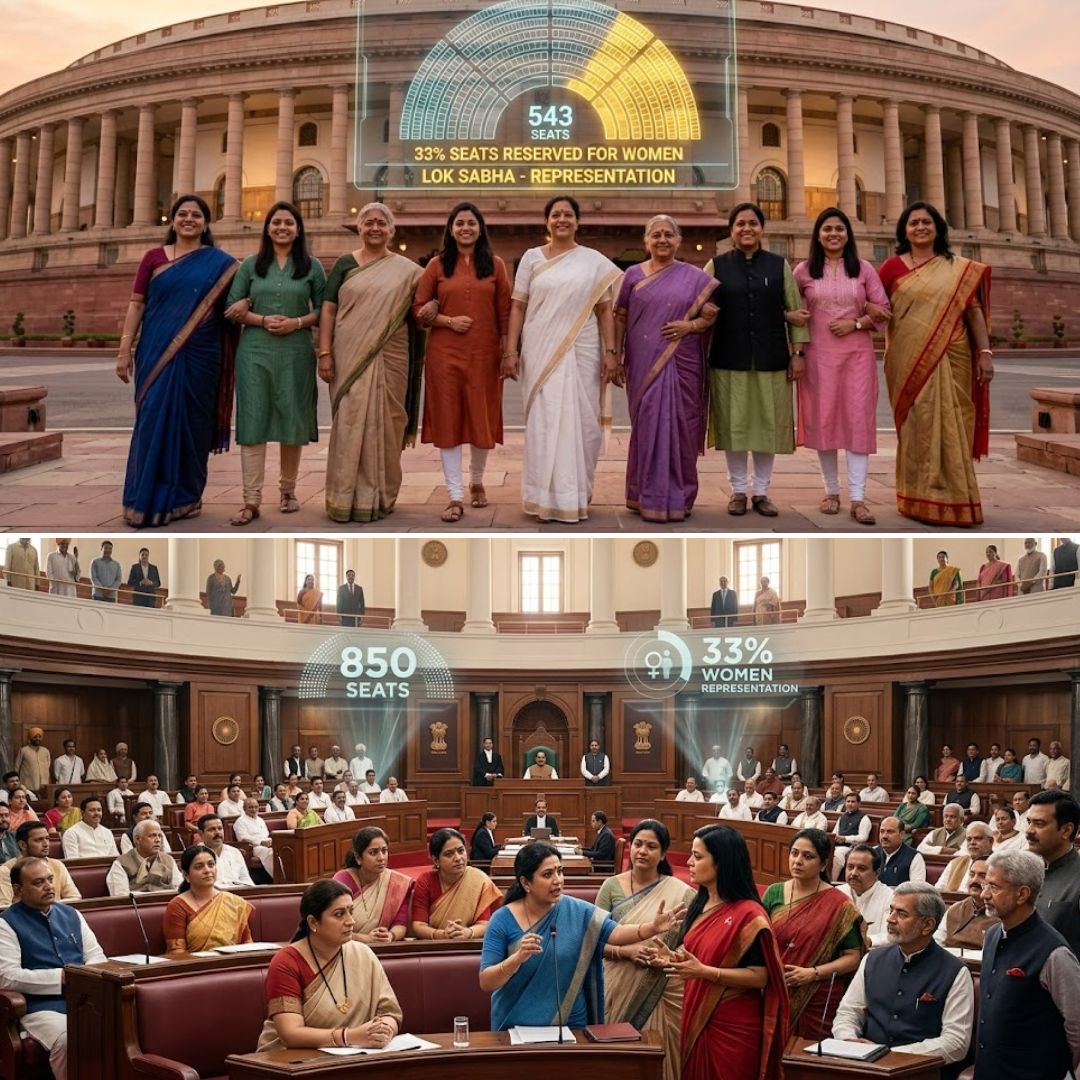
India is witnessing a major constitutional and political shift with the proposed implementation of 33% reservation for women in Parliament alongside a plan to expand the Lok Sabha from 543 to up to 850 seats. This development is part of a broader effort to reshape political representation and make governance more inclusive.
The proposal combines two major reforms: increasing women’s participation in lawmaking and redrawing parliamentary constituencies through delimitation. These changes are expected to come into effect before the 2029 general elections, subject to census and delimitation processes.
While the move aims to strengthen democracy, it has also triggered intense debate over representation, regional balance, and political implications.
What is the 33% Women Reservation Bill?
The Women’s Reservation Bill, also known as the Nari Shakti Vandan Adhiniyam, seeks to reserve one-third (33%) of seats in the Lok Sabha and state legislative assemblies for women.
Key Features
- 33% reservation for women in Lok Sabha and state assemblies
- Applies to general as well as SC and ST reserved seats
- Reservation will be implemented after delimitation
- Provision initially valid for 15 years, with scope for extension
Currently, women constitute only around 13–15% of Lok Sabha members, highlighting the gap the bill aims to address.
This bill represents one of the most significant steps toward gender equality in Indian politics.
Why Increase Lok Sabha Seats to 850?
The proposal to increase Lok Sabha seats from 543 to 850 is directly linked to implementing the women’s reservation.
Core Reasons Behind Seat Expansion
- Accommodating Women’s Reservation
Increasing the number of seats allows reservation without reducing existing representation. - Population Growth Adjustment
India’s population has grown significantly since the last delimitation, making current representation uneven. - Fair Redistribution of Constituencies
Delimitation will redraw boundaries based on population data, ensuring balanced representation.
Projected Impact
- Total seats may rise to 850
- Around 270+ seats could be reserved for women
- Majority mark in Lok Sabha will increase significantly
This would mark the largest expansion in parliamentary representation since independence.
What is Delimitation and Why it Matters
Delimitation refers to the process of redrawing the boundaries of parliamentary constituencies based on population changes.

Key Points
- Conducted after a national census
- Determines number and size of constituencies
- Ensures equal representation across regions
The women’s reservation will only be implemented after delimitation is completed, making this process central to the reform.
However, delimitation has sparked concerns:
- Southern states fear reduced representation due to lower population growth
- Political parties have raised questions about fairness in seat allocation
Political Debate and Controversy
The proposal has triggered strong reactions across the political spectrum.
Supporters’ View
- Enhances women’s participation in governance
- Aligns India with global standards of gender representation
- Strengthens democratic inclusivity
Opposition Concerns
- Delimitation may alter political balance between states
- Representation of certain communities could be affected
- Linking reservation with seat increase may delay implementation
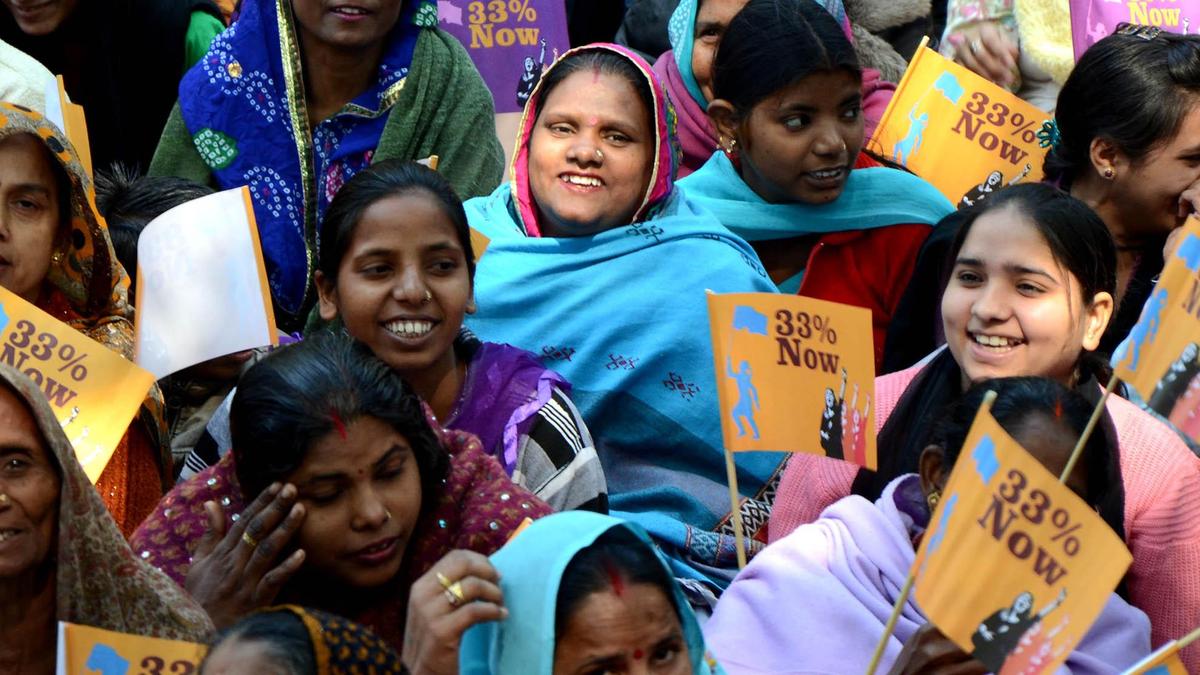
Some leaders have argued that women’s reservation should be implemented immediately, without waiting for delimitation.
What Will the New Lok Sabha Look Like?
If both proposals are implemented together, the structure of Parliament will change significantly.
Current vs Proposed Scenario
| Feature | Current Lok Sabha | Proposed Lok Sabha |
| Total Seats | 543 | Up to 850 |
| Women Representation | ~13–15% | 33% |
| Reserved Seats for Women | Not fixed | ~270+ seats |
| Implementation | Already active | Expected by 2029 |
State-Level Impact
- States with higher population may gain more seats
- Example projections suggest large states could see significant increases
- Representation across regions will be recalibrated
This transformation could redefine electoral politics in India.
Why this Reform is Considered Historic?
The combination of women’s reservation and seat expansion is seen as a landmark reform for several reasons:
- Gender Representation
India will move closer to gender-balanced governance, giving women a stronger voice in policymaking.
- Democratic Expansion
Increasing seats improves representation in a country with over 1.4 billion people.
- Structural Political Change
This reform goes beyond reservation. It reshapes how constituencies are defined and represented.
Challenges Ahead
Despite its significance, several challenges remain:
- Implementation Delay: Dependent on census and delimitation
- Political Consensus: Lack of agreement among parties
- Regional Concerns: Fear of imbalance between north and south
- Operational Complexity: Redrawing constituencies nationwide
These factors will determine how smoothly the reform is executed.
Frequently Asked Questions
- When will the 33% women reservation be implemented?
The reservation is expected to be implemented from the 2029 Lok Sabha elections. However, it depends on the completion of the next census and the delimitation process, which will determine seat allocation and boundaries.
- Why is delimitation necessary for women’s reservation?
Delimitation ensures fair distribution of seats based on population. Since the reservation applies to constituencies, the government plans to implement it after redefining constituency boundaries to maintain balance in representation.
- How many seats will women get after the reform?
If the Lok Sabha expands to around 850 seats, approximately 270 or more seats will be reserved for women, representing one-third of the total strength.
- Why is the proposal controversial?
The proposal has sparked debate due to concerns about delimitation. Some states fear losing representation, while opposition parties question the timing and political implications of linking reservation with seat expansion.
The Major Takeaway
The proposal for 33% women reservation and expansion of Lok Sabha to 850 seats represents one of the most ambitious political reforms in recent decades. It aims to make India’s democracy more inclusive while addressing long-standing gaps in representation.
At the same time, the reform introduces complex challenges related to delimitation, regional balance, and political consensus. Its success will depend on how effectively these issues are addressed in the coming years.
If implemented as planned, this reform could redefine the structure of Indian democracy and significantly increase women’s participation in governance.